

Going to the mountains with kids is always a great choice. Specially if you live in a city, your kids will have a wonderful sense of freedom, adventure, even mystery, if you walk through a forest.
I started hiking with my son when he was 4 months old in the Austrian Alps. I was carrying him on the baby carrier and we all could enjoy the experience of being out in the mountains.
It’s a kind of tour that is suitable for all age groups because you can tailor it according to the capabilities and needs of family members. Babies will discover new sensations; you will notice them turning their heads towards new colours, shapes, and sounds. Toddlers can spend their endless energy running around and imagining fantasy stories. Pre-teenagers may find it interesting to learn new things or to have some sort of wilderness adventure.
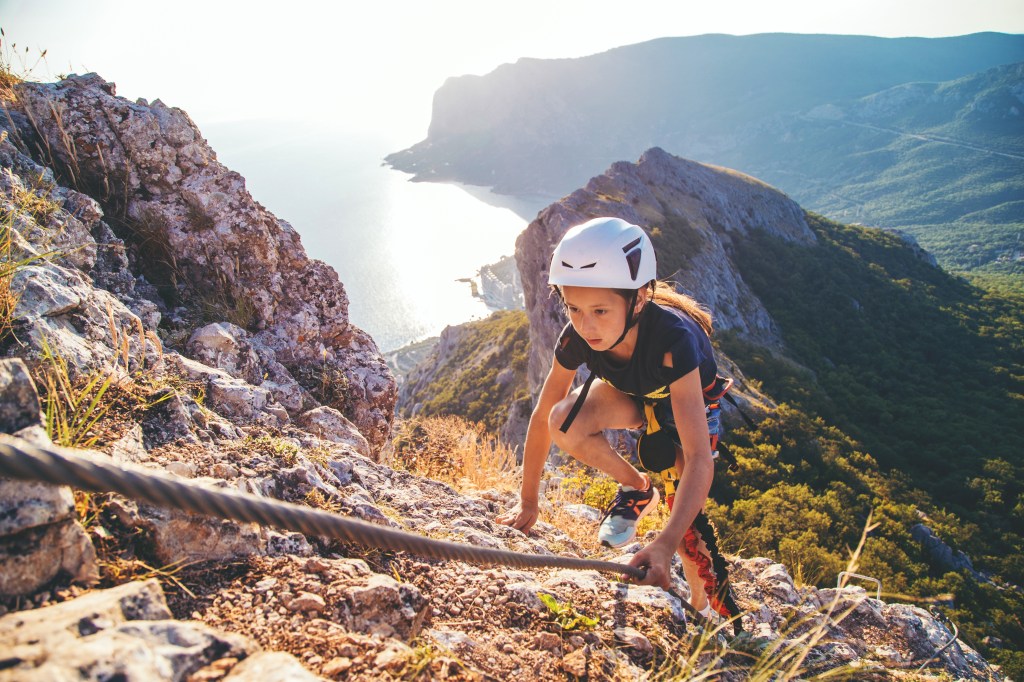
When planning a holiday to the mountains think about why you’re going there and what do you want to experience.
Do you want to go hiking? Cycling? Climbing? Skiing? Kayaking? Horseback riding?
Once you have decided what you would like to do, then you can start planning for what you will need and the challenges you may encounter.
Hiking
Hiking is the easiest way to get outside since it’s suitable for all family members and all experience levels while being the one that require less preparation. Together with cycling, it is the dearest to our hearts when it comes to outdoor activities.
Start by investigating which trails are available for hiking at your destination and how difficult they are in terms of distance and steepness. Ask for information about the conditions of the trail, whether you have to climb at some point, whether there are rope bridges on the way, whether do you have to cross waterfalls, squeeze between rocks or may encounter icy stretches. All these details will allow you to decide whether the trail is appropriate for your family’s endurance and fitness level.
If you go hiking with a baby or toddler, consider how you are going to carry them along the way. A 4-year old maybe able to walk alongside you but you have to be realistic about the distance they can cover.
For babies and small toddlers a baby carrier is the best option (check my post on moving around). Their design is comfortable and supportive and allows maximum safety for you and your baby for countless hours. Carriers are a bit pricey, especially backpacks, therefore you should consider how often you intend to use them. If you are like me and enjoy being out and about hiking or trekking for several days, you will find it an extremely valuable investment.
We have comfortably carried our kids around the world in backpack carriers with the assurance that they are protected and happy.
Up to 9 months old a front face-in carrier will keep your baby soothed, warm and connected with you. It is important to consider though, that carrying weight in the front of your body will change your centre of gravity and keep you off balance. Do try it around your neighbourhood or for shopping tours before you hit the trail. Always consider the safety of your baby, how you are going to avoid falling or stumbling which could cause injury to baby.
For babies weighting 8kg or more, a backpack carrier is the most convenient way to ride. The technical development in this area has led to high quality harnesses, padding, and suspension systems which can safely carry up to 20Kg. Do some research before selecting a backpack carrier, try it on and test whether you feel comfortable with it.
Climbing
Kids love climbing. It becomes a fascination from the moment they can walk, the challenge of reaching unexplored and higher places. Climbing offers a unique opportunity to connect with your body and develop problem-solving skills. It also requires preparation and physical ability.
When planning a climbing tour, investigate about the options existing at your destination and suitability for small children. Then you have to decide whether you prefer a guided tour or a DIY one; whether you bring your own equipment or you intend to rent.
Bringing your own equipment has the advantage that you are used to it, it has the quality level that you expect and it’s reliable. On the other hand, climbing gear is heavy, bulky, and not so easy to transport, specially if you are not travelling by car. Consider your alternatives carefully keeping in mind that, when travelling with children, you should not compromise on comfort and safety.
Cycling
Cycling is a good way of exploring longer distances, it increases coordination and balance, relieves stress, it develops entire body muscles, and in particular the legs. Kids love riding a bike. It gives them a sense of freedom and achievement.
Mountains offer numerous possibilities for cycling through spectacular trails and backdrops. Usually maps are available at campsites, hotels or tourism offices which help you plan your tour. If you are cycling with toddlers, you have to consider how to transport them. Will you use a child seat assembled to your bicycle? Or will you prefer to tow a trolley? Are you renting or bringing your own bikes? If you opt for a child seat, your kid will have a better viewpoint and closer contact with you. On the downside, your little one will be more exposed to the elements, and you can transport only one child (which may be a problem if you have more than one toddler while traveling as a single parent). If you chose a towing chariot, you have the chance to transport more than one child, in a cosier way. However, you have to pull more weight (which can be hard, if you don’t use an e-bike) and your child may collect a lot of dirt from the spinning wheels. Putting these questions into perspective will help you selecting the best fit for your holiday and the needs of your family. Chose a trail based on your children’s physical condition and ability. How rough and tough can it be? How long should it be? Be conservative in your judgement. Have a backup plan. What are you going to do if your kid is tired and doesn’t want to continue? Since your kids will have more energy in the beginning, make the first stretch the longest one. Pack energy-lifting snacks and take enough breaks to rest and enjoy the environment.
 The Adventure Road
Leave a comment